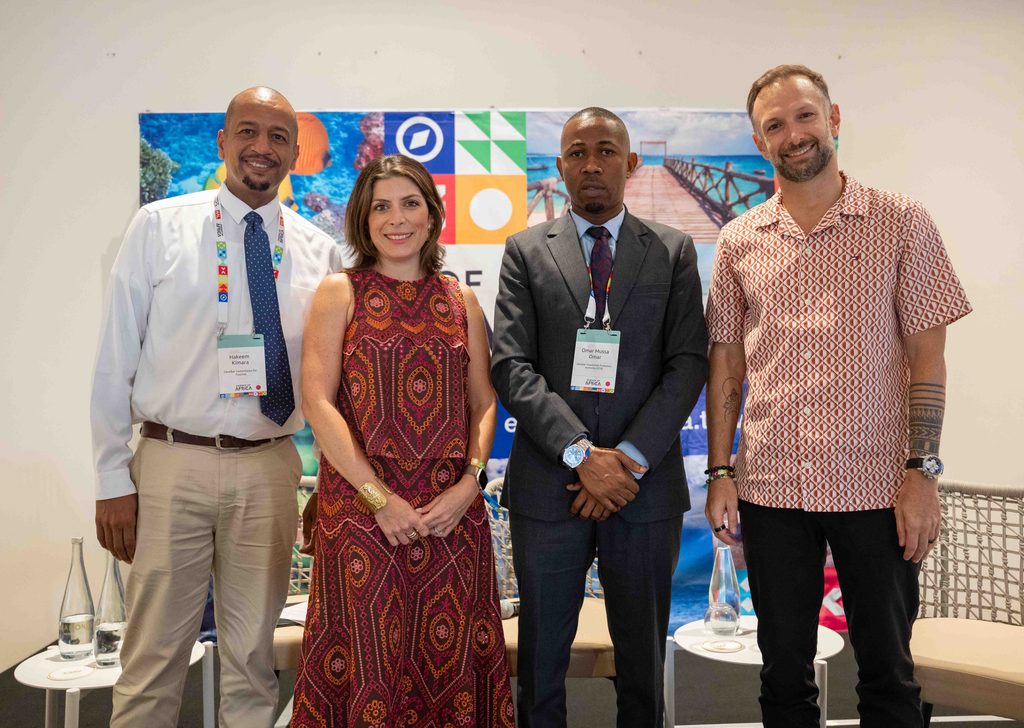
At Essence of Africa 2026, tourism leaders discussed Zanzibar’s plans to expand its tourism offering, attract investment and ensure that development benefits local communities while protecting the islands’ natural environment.
International tour operators attending Essence of Africa 2026 at Diamonds Bijoux in Zanzibar heard from representatives of the Zanzibar Commission for Tourism, the Zanzibar Investment Promotion Authority (ZIPA) and ENVI Lodges during a panel discussion titled Welcome and Destination Zanzibar.
Moderated by Virginia Messina, Group CEO of ATTA®, the conversation covered opportunities to develop tourism on Pemba, the responsibilities of hotel investors, environmental protection, local employment and training. The panellists also discussed tourism regulation, changing visitor preferences and how international travel companies can work with Zanzibar to introduce new experiences to their clients.
The panellists were Hakeem Kimara, Head of Public Relations at the Zanzibar Commission for Tourism; Omar Mussa Omar, Investment Promotion and Marketing Manager at ZIPA; and Chris Nader, Co-Founder and CEO of ENVI Lodges.
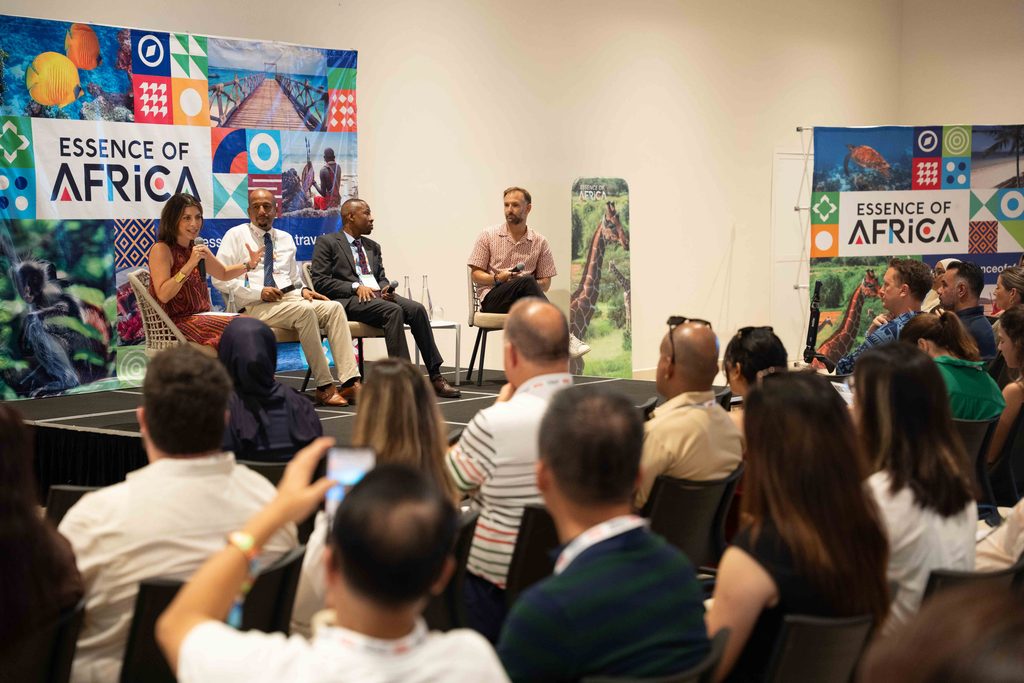
The following is an edited Q&A from the discussion.
Virginia Messina: Could you explain what the Zanzibar Commission for Tourism does and its responsibilities for Zanzibar’s tourism sector?
Hakeem Kimara: First, thank you for inviting me and for bringing Essence of Africa to Zanzibar. The Zanzibar Commission for Tourism has three main responsibilities: developing, regulating and promoting tourism. Essence of Africa is part of that promotion, and we’re very happy to welcome the event here.
Virginia Messina: Omar, could you explain how ZIPA works and what support it provides to investors?
Omar Mussa Omar: ZIPA works with prospective investors who want to establish businesses in Zanzibar. We support investors from the beginning of the process, including setting up their businesses. We operate as a one-stop investment facilitation centre, providing assistance with permits, approvals, certifications and aftercare services.
Virginia Messina: That engagement with businesses is important, particularly making sure investments are established successfully and that support continues afterwards.
Virginia Messina: Chris, tell us about ENVI Lodges, the brand you launched a few years ago. How did your first lodge come to be in Zanzibar?
Chris Nader: We established ENVI Lodges a few years ago, with a focus on nature and outdoor experiences. Zanzibar became the location of our first project, although that wasn’t necessarily how we originally expected things to develop. We’re very happy to have started here.
Virginia Messina: Zanzibar is traditionally known as a sun-and-beach destination, but you’re promoting other tourism experiences and different parts of the islands. Could you tell us more about that strategy, particularly Pemba?
Hakeem Kimara: When people hear Zanzibar, they immediately think about the beautiful beaches. But Zanzibar has much more to offer. We have Unguja, which is the island most people know, and we have Pemba, our sister island. Pemba has its own character and offers different experiences, including its natural environment and heritage. Unguja is the Zanzibar we know, and Pemba is the Zanzibar we need to discover. I would encourage the international buyers here to spend time on Pemba and see what they can find. I’m sure there are many experiences they could develop into tourism products for their clients.
Virginia Messina: Omar, how are you encouraging investment in places such as Pemba? Where is investment coming from, and are there particular international markets you’re targeting?
Omar Mussa Omar: We welcome investors from different markets. One of the main things attracting investors is Zanzibar itself. Some people visit, experience the destination and decide they want to establish businesses here. Our natural environment is an important attraction. We also have policies and services to support investment. ZIPA provides assistance through our one-stop investment centre, and there are provisions relating to investment protection and the transfer of profits. Investors also have access to mechanisms intended to protect their rights.
Virginia Messina: Chris, ENVI operates and manages properties, but you also work with investors. What has the investment process been like, and what challenges have you encountered in developing the concept?
Chris Nader: The project began with an investor who was attracted to a particular location in Zanzibar. The original plans were for 90 units. But when we looked at the site, there was concern that 90 units would be too much. The land couldn’t reasonably support that level of development without compromising the surroundings. The investor decided to reduce the development to 22 units. We wanted a more responsible approach to development, one that respected the location and its natural environment. When people are attracted to a destination because of its natural beauty, they need to think about what happens when they develop it. If we continue developing these places without respecting their surroundings, we risk ruining what makes them attractive.
Virginia Messina: Sustainability covers everything from energy and biodiversity to the people working in tourism. How does ENVI Lodges employ local people and make sure communities benefit from its projects?
Chris Nader: These decisions begin during construction. You need to consider where materials will come from, who will do the construction and whether you need to import everything. There are options to bring prefabricated materials and other components from overseas, but we looked at opportunities to work with local contractors and source materials locally. Employment is also important. Most of our employees are local, and we’ve had to invest in training and developing people’s skills. That includes giving employees opportunities to take on new responsibilities.
Virginia Messina: Hakeem, tourism needs regulation, but there’s also a concern about overregulation and taxation. How do you find the balance? Chris also mentioned training. Does the Commission provide training?
Hakeem Kimara: We have training programmes within our organisation. When we’re considering introducing regulations, we first hold meetings with stakeholders to understand the challenges they’re facing. We then develop the proposed regulations or guidelines and consult stakeholders again before introducing them. The process involves government and the private sector. We want the regulations to take account of the industry’s needs.
Virginia Messina: Omar, when you’re attracting investment, do you consider whether developers have a sustainability focus? Are you looking for projects that protect the environment and benefit surrounding communities?
Omar Mussa Omar: Sustainability is important in tourism investment. We’re encouraging investors to look at Zanzibar as a destination offering more than accommodation. Visitors want activities and experiences, including cultural attractions, spice tours and other things they can do during their holidays. Projects also need to comply with environmental requirements. Environmental impact assessments are important. We need to understand what impact a proposed development could have on the environment and surrounding communities.
We want investments to benefit local people. We have requirements relating to local employment, so tourism businesses create opportunities for Zanzibaris. We want investment to support local communities over the long term.
Virginia Messina: Accommodation also needs to be supported by infrastructure and experiences. Hotels can’t operate in isolation from everything around them.
Virginia Messina: Chris, what kinds of travellers are you seeing at ENVI Lodges, and what’s driving demand?
Chris Nader: Zanzibar’s tourism market is changing. We’re seeing new properties and different kinds of experiences being introduced. At ENVI, we’ve positioned our offering differently, focusing on particular guest experiences. We’re seeing interest in wellness and retreats. There are opportunities for Zanzibar to attract travellers interested in nature and experiences beyond traditional resort holidays.
Virginia Messina: Tourism involves many government departments, including finance, health and education. How does the Commission coordinate with them to make sure policies and regulations take account of the tourism industry?
Hakeem Kimara: We have a division responsible for awareness and coordination with other sectors connected to tourism. Before introducing regulations, we hold stakeholder meetings. These include government departments and representatives of the private sector. The government departments involved are those whose work affects tourism in one way or another. We want decisions to take account of the views and responsibilities of the different parties.
Virginia Messina: That’s the kind of coordination we need, particularly because tourism is such an important part of Zanzibar’s economy.
Virginia Messina: Omar, what else would you like international travel companies to know about tourism opportunities in Zanzibar and Pemba?
Omar Mussa Omar: I encourage travel companies to look at what else Zanzibar offers when they develop their holiday packages. Beach tourism is important, but there are also opportunities to include cultural and natural attractions. Unguja and Pemba complement each other. Pemba offers different experiences, particularly for travellers interested in nature, forests and underwater activities. Travel companies should consider these attractions when preparing their itineraries. People visiting Zanzibar should have opportunities to experience different parts of the destination.
Hakeem Kimara: International travel companies are important because you take Zanzibar to the world. We appreciate the work you do, and we want to work with you. There are opportunities for joint marketing partnerships. We can also organise familiarisation trips so you can experience Zanzibar for yourselves. You cannot sell what you don’t know. I could spend two hours explaining how beautiful Zanzibar is, but when you come and experience it, it’s different. We can also work together to promote the tourism products you’re interested in selling. We appreciate everyone who has come to Essence of Africa. Last year we received more than 900,000 visitors. The latest figures available to us suggest we’re approaching 700,000 visitors so far this year. We expect to exceed last year’s visitor numbers. The international travel industry plays an important role in attracting visitors. We hope to welcome more tourists and encourage them to stay longer.