
What started with 800 runners from four countries in 2022 has grown to 8,000 runners from 43 countries in 2026. For Ugandan tourism entrepreneur Amos Wekesa, the growth has also brought more visitors and tourism business to Kasese and the surrounding region.
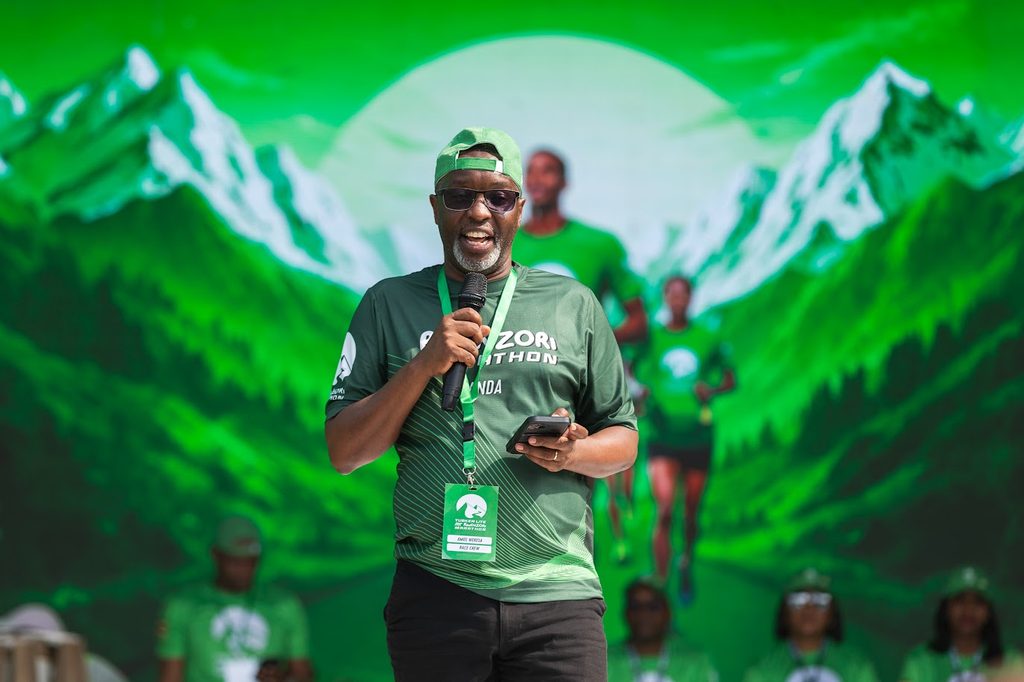
Wekesa is the founder of Great Lakes Safaris and has built tourism interests spanning tour operating and safari lodges to community and conservation initiatives. He is also the founder of the Rwenzori Marathon and a member of the Essence of Africa Advisory Panel.
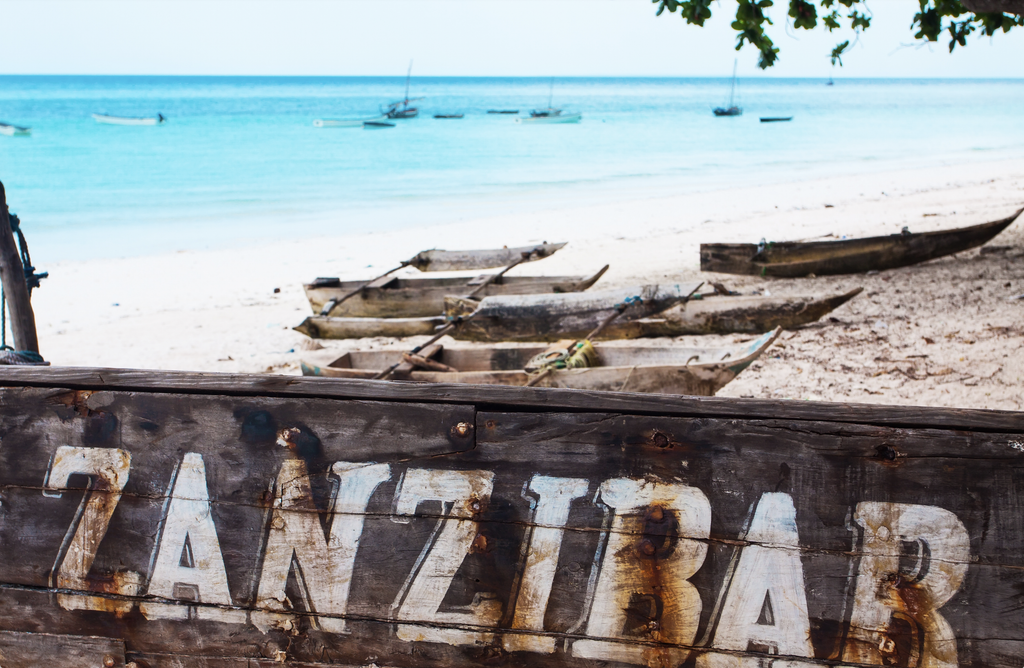
Ahead of Essence of Africa in Zanzibar, where Wekesa will bring a taste of the Rwenzori Marathon to delegates with a 5 km walk and 10 km run, we spoke to him about how a sporting event has driven tourism in western Uganda, who the running traveller is, and why he believes African tour operators should be paying attention.
You come from tourism. Why did you decide to start a marathon?
I had seen what the Kilimanjaro Marathon had done for Moshi. It brought opportunities and helped the town grow. That was an inspiration for me for years. Then, during Covid, I had time and this was one of the things I started working on.
I chose Kasese because there is so much around it. You have the Rwenzori Mountains, Queen Elizabeth National Park, Kibale National Park, Semuliki National Park and other attractions nearby. But Kasese had also had problems. When you heard about Ebola, flooding or rebel attacks, Kasese was often associated with those stories. I thought we could start changing that by bringing people there.
How quickly has the marathon grown?
In 2022, we started with 800 runners from four countries. In 2023, we had 2,200 runners from 17 countries. In 2024, we had 4,000 runners from 33 countries. Last year, we had 6,000 runners from 49 countries. This year, we had 8,000 runners from 43 countries.
What has that meant for the local tourism economy?
The effect has been massive. Kasese had about 500 bedrooms and there was no reason for people to build more accommodation. Now it has grown to more than 2,500 rooms. People are also transforming their homes and renting them out during the marathon.
You hear stories from people who can make enough money during that week to pay their children’s school fees for the year. People selling food or providing transport are making money. Businesses that previously struggled to meet their costs are able to do so. Last year, about US$8 million was left in the economy during that week. This year, we believe it will be more than US$10 million.
And it is not only Kasese. We fill accommodation across different districts around the area, including Fort Portal. The economic effect spreads beyond the place where the race itself happens.
Are runners staying longer and doing other tourism experiences?
Everything. There is demand for experiences, national parks and mountain climbing. In 2022, there were only about 1,000 climbers going into the Rwenzori Mountains. Now we are at about 12,000. I would attribute at least 80% of that growth to the marathon.
People come for the run, but they are also exploring Uganda. They can go gorilla trekking, visit national parks, climb the mountains and continue travelling after the race.
Who is the running tourist? What motivates someone to travel to another country to run?
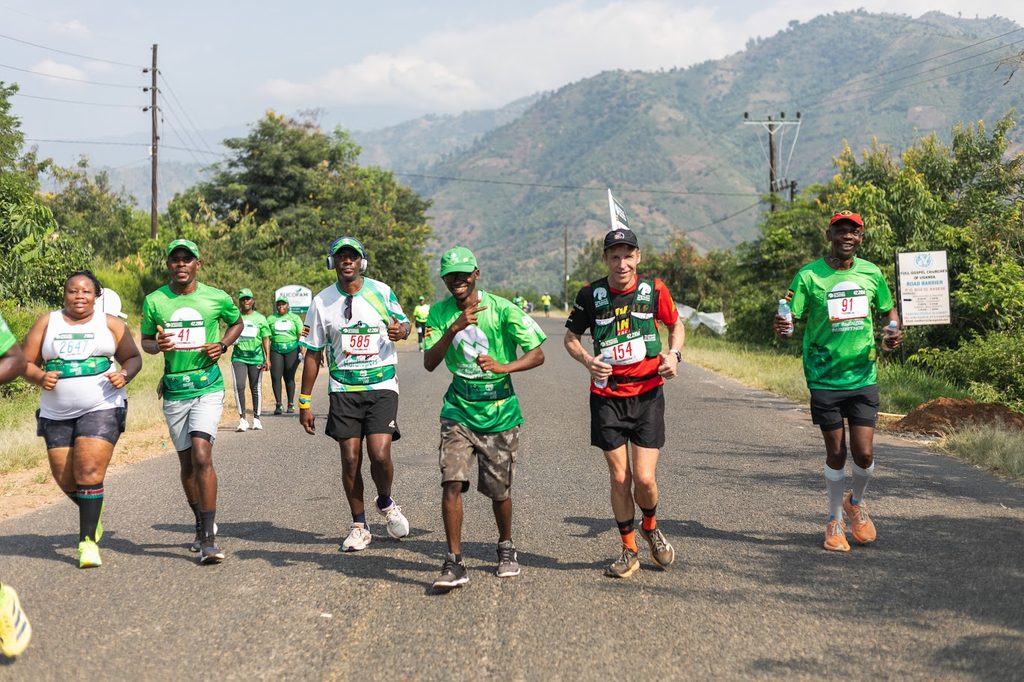
There are different types. We have people from outside Africa who want to run a marathon in different countries around the world. For them, it is part of a bucket list. Then you have people who simply want to keep adding races. This year we had 1,400 Kenyans coming to run the Rwenzori Marathon.
But it is also about the experience around the race. We have around 200,000 people lining the route to cheer the runners. There is a vibe around it. People then build packages around the marathon and take trips before or after it.
Is this mainly a budget and adventure market, or are you seeing higher-spending travellers too?
There are all types of clients. Some budget runners do not mind roughing it more than the general population, but there is also a group of runners with a lot of money. Last year, we had about four dollar billionaires coming to run the Rwenzori Marathon, and many of the people we attract are high-net-worth individuals.
I think this is part of a bigger change in how people are travelling. People with money are increasingly interested in sporting events and special experiences. Running is becoming an important part of sports tourism. The figures I have seen put sports tourism at close to US$900 billion last year, with running accounting for about 23% of that, and project the sports tourism market to reach around US$2.1 trillion by 2030.
For tourism businesses, what is interesting is that these travellers do not necessarily come only for the race. In Uganda, for example, they might come and do gorilla trekking, visit a national park, run the marathon and then continue travelling. You find budget, mid-market and high-end travellers. Another advantage is that runners often travel in groups.
What can Essence of Africa delegates expect from the Rwenzori Marathon activation in Zanzibar?
Instead of only interacting and having a good evening, we are also going to have a good morning. People can do 5 kilometres or 10 kilometres. You can run or walk. We will have water points and some fruit, and everybody will get a Rwenzori Marathon and Essence of Africa T-shirt.
I always say that when you suffer together, you bond. So it is also about getting people together and having some fun. But we will also be learning about sports tourism and the opportunity around running tourism. That is what I am looking forward to. And make sure you bring really good walking or running shoes.
When did tour operators start recognising that there was a tourism product around the marathon?
At first, people thought this was just a fun run. Now Ugandan tour operators are engaging with their international wholesalers and saying, “We can put running packages together.” Running is becoming an important part of travel and gives tour operators another market alongside the traditional wildlife traveller.
Right now, we have companies in Australia booking runners for next year. We have companies in the US and UK interested. A UK tour operator is coming in November to look at the trips and is planning to put together a group of 100 runners for next year.
How are you reaching the international running market?
We go to where the running communities are. We have exhibited at the Two Oceans Marathon and Comrades. We are going to the Toronto Marathon, and we have booked space at the London Marathon, Boston and other events.
Social media has also been our biggest platform. We do a lot with influencers and we are very aggressive about getting the Rwenzori name out there. Our statistics show that we are reaching about 21 million people a month through that marketing push.
The marathon itself is also getting more international exposure. This year it was livestreamed, similar to what you see with major international marathons, and we brought in professional teams to film the event.
So you are effectively marketing Uganda inside running communities rather than waiting for runners to find Uganda?
One hundred percent. We go to these communities and show them what is on offer. That is why we exhibit at races. You have a community of people who already travel to run, so you take the destination to them.
What do you think African tour operators are missing when it comes to running tourism?
Tour operators need to understand this market because there is an opportunity there that people are not taking enough time to understand. There are so many people running and it is becoming such an important part of life. Running gives tour operators another reason to bring people to a destination.
You can build packages around running. People travel in groups, they stay, they spend money and they want other experiences while they are in the destination. For tour operators, that is the opportunity.
Meet Amos in Zanzibar this October at Essence of Africa!


