Essence of Africa’s Market Buzz session highlights opportunities in female group travel, halal tourism and corporate incentives, while industry specialists say African destinations need to work harder to attract Gulf visitors.
ZANZIBAR, 21 October 2026 – Female travel groups, expatriates living in the Gulf and younger visitors seeking adventure and wellness holidays are creating opportunities for African tourism. Good flight connections and visa access are helping, but African destinations still face stiff competition for travellers from the Middle East.
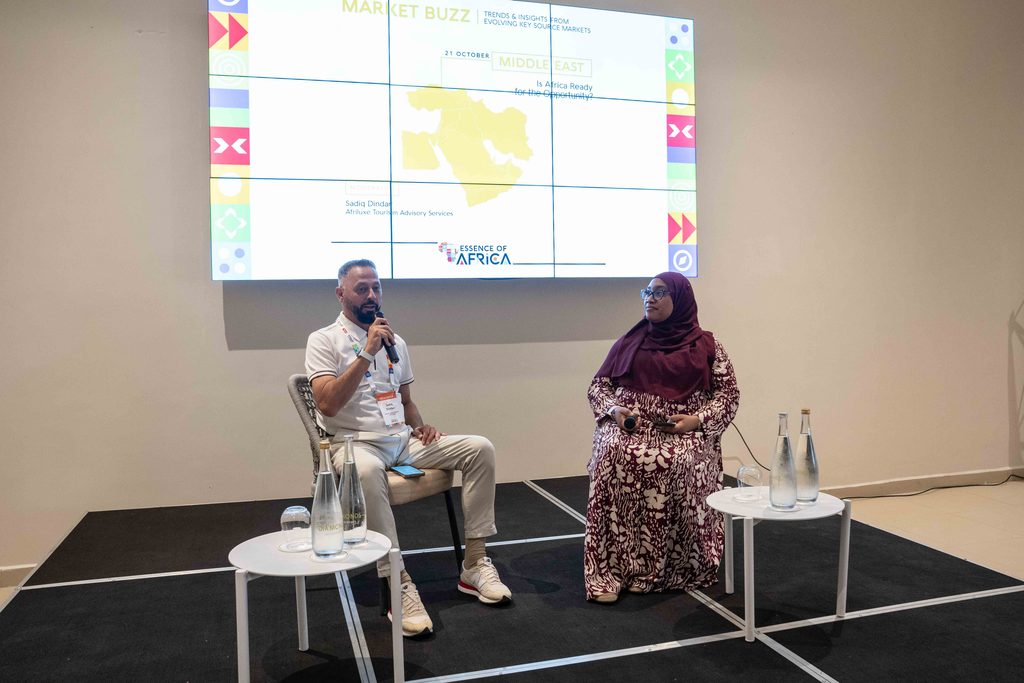
These trends were discussed during the Market Buzz: Middle East session at Essence of Africa 2026, held at Diamonds Bijoux in Zanzibar on 21 October. The Middle East was given its own session this year, having previously been grouped with Africa in the programme.
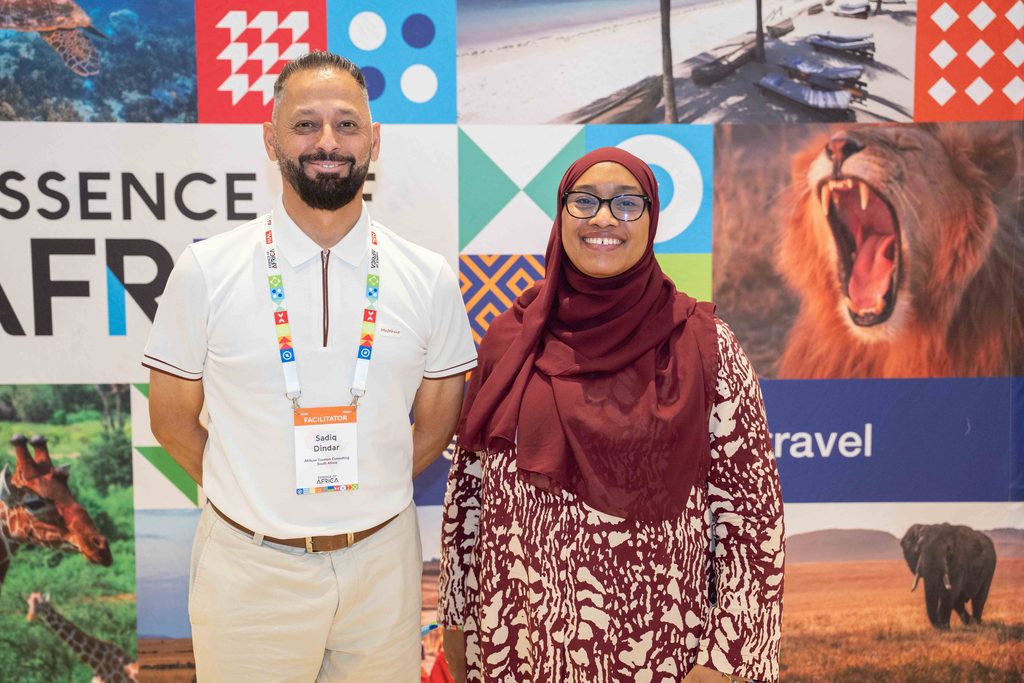
The discussion was moderated by Sadiq Dindar, Founder and CEO of AfriLuxe Tourism Advisory Services, whose career spans African tourism and aviation, including roles with South African Tourism and several international airlines. He was joined by Hafsa Mbamba, Deputy Executive Director of the Zanzibar Investment Promotion Authority (ZIPA) and former CEO of the Zanzibar Commission for Tourism.
Female travellers and expats present new opportunities
Dindar said the Middle East has traditionally been associated with wealthy travellers arriving on private jets for exclusive safaris. Mbamba said Zanzibar has seen considerable changes in its visitor profile over the past 10 to 15 years. Younger travellers are seeking activities and local experiences, while couples, female groups and wellness retreats are becoming more prominent.
The UAE’s large expatriate community is already a leading source of visitors to Zanzibar, according to Mbamba. These residents come from many nationalities, giving African tourism businesses access to customers with different budgets and holiday preferences. Zanzibar’s growing selection of boutique properties and international luxury hotel brands is also helping attract these visitors. Mbamba said accommodation development over the past decade has coincided with increasing interest in wellness holidays and smaller, more private properties.
Air connections have supported this growth. Mbamba identified Oman, the UAE and Qatar as leading Middle Eastern source markets for Zanzibar, including nationals and expatriate residents. Oman also benefits from longstanding historical ties with the island.
Saudi Arabia leads South Africa’s Middle East market
Dindar said Saudi Arabia is South Africa’s leading Middle Eastern source market, followed by the UAE and Qatar. South Africa benefits from direct flights and visa-free access for nationals of several Gulf countries. However, Dindar cautioned against making assumptions. “It doesn’t mean that you’ve got the direct access that, by default, travellers are going to come to you,” he said. Gulf travellers have extensive international flight connections and many destinations to choose from. Dindar said African tourism authorities need to maintain a presence in the market and build relationships with the travel companies selling their destinations.
He also sees opportunities in corporate incentive travel, with growing interest in African destinations from companies based in the Middle East.
Combining Southern and East Africa in one holiday could help attract longer stays. Dindar described itineraries beginning in Cape Town and the Garden Route, continuing to a safari and finishing with an East African beach holiday. For Gulf-based agents, these combinations offer customers city experiences, wildlife and beaches within one African itinerary.
Halal tourism goes beyond food
Mbamba said Zanzibar’s predominantly Muslim population does not automatically mean the destination caters adequately for Muslim travellers. For example, women exploring the island may struggle to find suitable prayer facilities. Mosques are available, but many primarily accommodate men.
She shared that Zanzibar is working towards a halal certification framework to establish consistent standards and help accommodation providers and tour operators understand visitor requirements.
Privacy is another consideration. Mbamba suggested offering private boat trips instead of shared excursions, or villas with private swimming pools for customers who prefer greater privacy. She also cautioned against assuming that all Muslim travellers have identical requirements. Levels of religious observance differ, and operators should establish what each customer needs.
Dindar said younger Muslim travellers want to enjoy the activities available in a destination, including adventure excursions, shopping and wellness experiences. He encouraged hotels and DMCs to consider the entire guest experience. A hotel boutique might stock burkinis and modest cover-ups, for example, while spas could provide information about the ingredients used in their treatments. These are relatively straightforward adaptations for businesses already serving international visitors.
WhatsApp, social media and flexible itineraries
Mbamba said travellers and agents in the UAE often prefer WhatsApp for enquiries and expect quick responses. Email is still used for formal confirmations, but much of the initial discussion takes place through messaging.
Customers are also increasingly arriving with itineraries developed using AI tools, sometimes combining attractions and activities that cannot realistically fit into the time available. Ground handlers need to explain distances and travel times, particularly when visitors want to include several attractions they have seen on social media.
Plans can change once customers arrive. Mbamba said visitors may request additional excursions, move activities to another day or prefer a later start. Dindar noted that many Gulf visitors are accustomed to being active in the evenings, particularly in hot weather. Operators could consider later dining, shopping and guided experiences where these are available.
Social media recommendations also influence what travellers want to do. Dindar described how a Saudi influencer’s recommendation of a small burger restaurant in Cape Town’s Sea Point attracted Saudi visitors to the establishment. He said visitors may arrive with a list of places they have seen online, then decide which activities to book during their stay. Operators need to accommodate requests that may come only a day before an excursion.
Africa faces competition for Gulf visitors
During the audience discussion, a Middle East-based tour operator estimated that Africa accounts for around 3% of GCC outbound tourism. He said destinations such as Morocco and Egypt were competing successfully for travellers from the region, while other African destinations were receiving less attention.
He also questioned the effect of new tourism taxes and compulsory insurance charges, citing Kenya and Tanzania. Travellers who already hold international insurance may be reluctant to pay for additional cover when visiting African destinations.
Dindar acknowledged that tourism authorities need to address obstacles that make destinations difficult or expensive to visit. He also stressed the importance of building relationships with Gulf-based travel agents and tour operators. These companies remain influential in recommending destinations and converting interest into bookings.
Other insights for the African travel trade
The discussion raised several considerations for businesses targeting the Middle East:
- The expatriate market needs dedicated trade relationships. African suppliers can work with Gulf-based agents serving international residents, whose holiday interests and budgets may differ from those of GCC nationals.
- Hotels should review facilities for Muslim travellers. Suitable prayer spaces for women, clear halal food information and private leisure options can make properties easier for agents to recommend. Zanzibar’s proposed certification framework could help establish consistent standards.
- Evening activities could attract more bookings. Dindar suggested that later dining, shopping and excursions may appeal to visitors accustomed to evening social activities. Operators should consider how their existing experiences could accommodate different schedules.
- Social media can bring visitors to smaller businesses. Dindar’s Cape Town restaurant example illustrated how a recommendation from a trusted influencer can introduce travellers to experiences outside established tourist itineraries.
- Incentive travel deserves attention. Dindar identified corporate groups from the Middle East as a growing opportunity. African hotels and DMCs could work with Gulf-based incentive organisers to develop suitable programmes.
- Tourism charges need to be explained upfront. Concerns about compulsory insurance and additional levies show why agents need accurate information about entry requirements and the full cost of a holiday.
- Multi-country packages could encourage longer stays. Cooperation between Southern and East African suppliers could help Gulf-based agents combine city breaks, safaris and beach holidays without complicated booking arrangements.