
We asked Julia Bishop, Zanzibar Advisor for Essence of Africa 2026, what makes the island different from any other tropical paradises. “We have an incredibly rich history, a heritage spanning millennia, architecture of faded grandeur, and a multitude of stories about a colourful cast of characters who have visited and left their mark here over the centuries.”
The sun and the turquoise water are a given. What she wants the tourism trade to sell first is everything else.
What’s the one experience you can’t miss in Zanzibar?
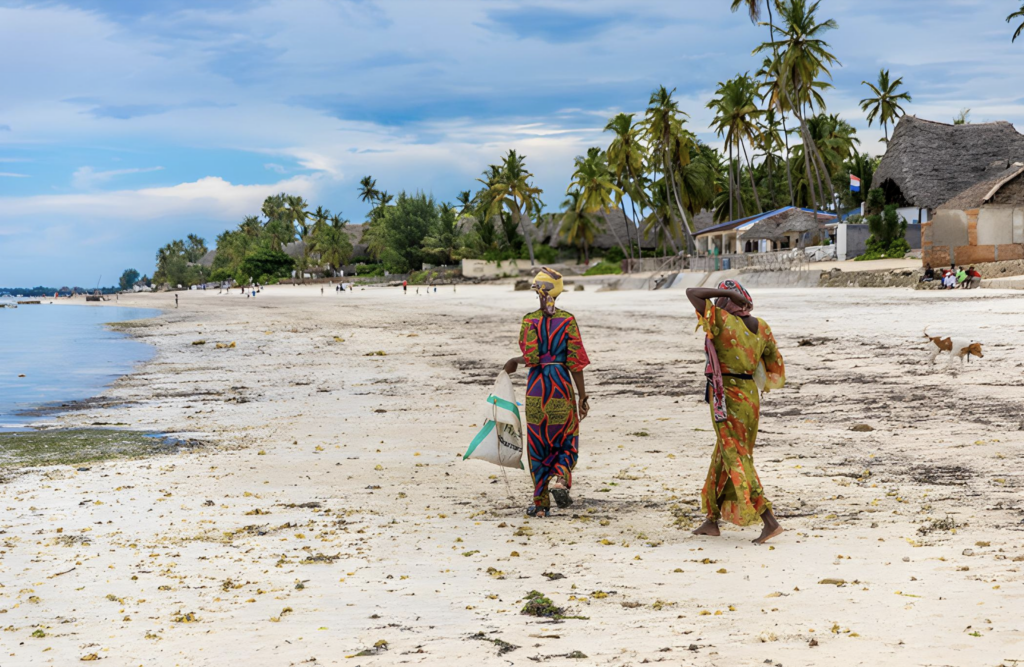
Stone Town. Zanzibar isn’t just sun, sea and sand, though the beaches are genuinely world class. What makes Stone Town different is that it’s bustling, noisy, chaotic and colourful, with enough shopping, hotels and restaurants to justify at least two nights. Get a good guide, one who can walk you through the back streets and bring the story of the place to life.
Seek out the rooftop tasting menus and wine pairings now appearing in Stone Town. Tune into the live music scene. Consider one of the growing number of wellness retreats. There’s horse riding on the beach, quad bikes inland, golf, skydiving, an underwater submarine, even a walk on the ocean bed. Our limestone caves offer swimming and exploring, and the lesser-visited forests, Tui and Kiwengwa, have mountain biking, zip-lines and wildlife, with fewer tourists around.
The trade talks a lot about authenticity. What does that word mean in Zanzibar?
The phrase “melting pot” could have been invented to describe Zanzibar, given how many cultural influences have blended here over the centuries, so “authentic” carries a lot of different meanings. For me, authenticity is about employing locally, sourcing locally, respecting local tradition, and showing travellers the wealth of history and knowledge inside Swahili culture.
What is your favourite cultural experience?
For over two decades, Zanzibar has hosted one of the most acclaimed music events in Africa, and I’ve been proud to be part of the team bringing the three-day, three-night Sauti za Busara, The Sounds of Wisdom, to Stone Town every February. Artists and musicians, some just launching, some world-famous, descend on our little Swahili island town for often unexpected musical collaborations, showcasing traditional, fusion, modern and eclectic African music under African skies. For years it ran from the historic Old Fort. It’s now grown into a large open-air arena on the edge of Stone Town.
What does a local-led tourism experience look like when it’s working the way it should?
It starts with a well-educated guide who communicates clearly, knows their product, has the right local contacts, and can adapt for whoever’s in front of them, making the day educational and fun. It doesn’t have to be slick and over-polished, in fact that isn’t very typical of Zanzibar, so a little chaos, surprise and laughter is part of the authenticity. Guests should leave joyful, informed, entertained, maybe a little humbled, carrying a slice of the real Zanzibar home with them.
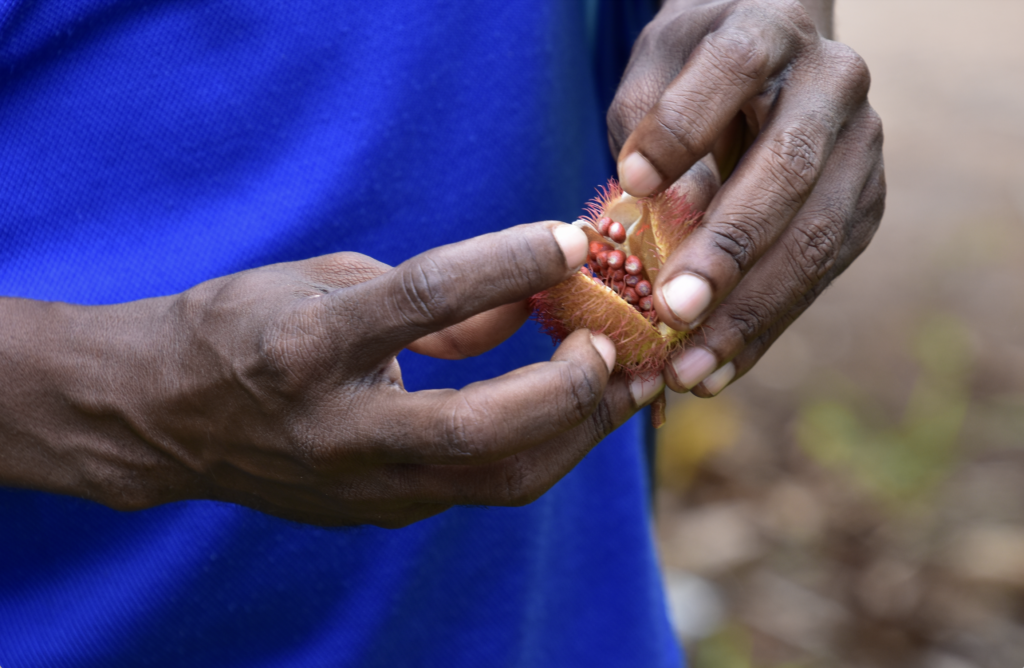
Here’s what that looks like in practice. Your guide arrives more or less on time, maybe in a kanzu and kofia if it’s a Friday. Your group has knees and elbows covered, in clothes that are stylish, practical and cool. A drive through the countryside, trees and fruits pointed out along the way, takes you to a local family farm, where you’re shown vegetables, fruits and spices and taught their culinary and medicinal uses. It’s light and interactive. There are probably cheeky kids, goats, chickens, and someone will shin up a palm tree for a fresh coconut. I’m not personally a fan of the Hakuna Matata song, but the decorative headgear made from coconut fronds is good fun.
Then a Swahili cookery class under shade: grinding, peeling, maybe preparing fresh fish, producing a pilau or biriani from the spices you’ve just seen growing, with plenty of teasing along the way. You sit with the women, maybe watch them weave a basket, and become part of an ordinary day rather than an observer of one.
When the tide’s in on the way back, a local fisherman takes you out at sunset in his ngalawa, a canoe dug from a mango tree with outriggers and a tatty sail. It may smell of fish, you may have to help bail out, but trailing your hand in the sea and seeing the shore from the reef, knowing this has been done this way for centuries, is worth all of it.
If you could change one thing about how international buyers currently approach Zanzibar, what would it be?
Make sure travellers are educated about Zanzibar before they arrive. That means choosing hotels that deliver the authentic experience, and operators who are safe and know what people expect and how to deliver it. Zanzibar can produce surprises, and it isn’t as polished as some destinations. It can feel rough, and raw, and real. But that’s its charm, and expectations need to be set and managed accordingly.
About Julia
Julia Bishop returned to East Africa in 2000 after building a career in the UK as an international management consultant, first running a hotel in Pemba before setting up her own businesses in Tanzania. In the early 2000s she built a boutique hotel on Matemwe Beach, Zanzibar, and later founded a bush camp on the boundary of Ruaha National Park. Having recently sold her Zanzibar company, she now focuses on the safari business, grown into a 16,500-acre private conservation area with Hodi Hodi Safari Bush Camp at its centre. She has served as Director and Vice Chair of the Zanzibar Association of Tourism Investors, Vice Chair of Sauti za Busara, and Honorary Consul to the British High Commission in Zanzibar.
Julia will be in Zanzibar this October for Essence of Africa 2026.