
From Victoria Falls to Zanzibar, Southern Africa has plenty to offer international meetings and incentive groups. But having the right venues and experiences does not necessarily mean winning the business.
Lindi Mthethwa, Regional Director Sales & Marketing at Minor Hotels Africa and a member of the Essence of Africa Advisory Panel, says demand is growing. The challenge is making the region easier to reach, easier to sell and easier for international planners to choose.
The recent World Travel Awards offered a snapshot of the region’s events credentials. Durban ICC was named Africa’s Leading Meetings & Conference Centre, while Zanzibar took Africa’s Leading Festival & Event Destination.
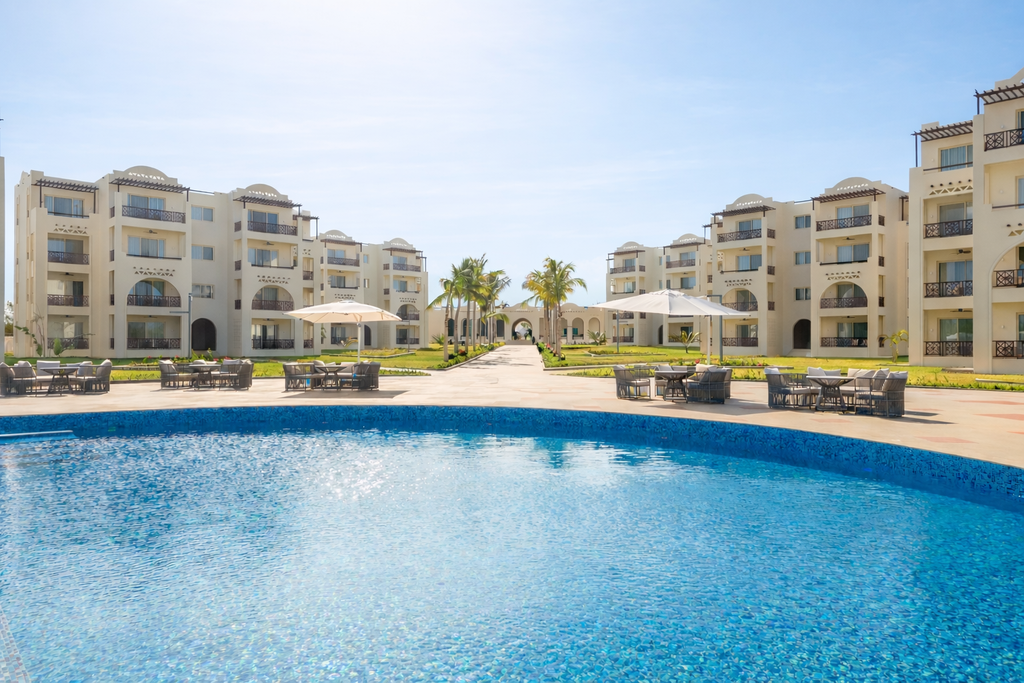
The awards also brought tourism and hospitality leaders from across the continent to Zanzibar, with the VIP reception hosted at Diamonds Bijoux Zanzibar. In October, the resort will welcome the travel trade again for Essence of Africa 2026.
Are you seeing MICE demand grow across Minor Hotels’ African properties, and where is it coming from?
Yes, particularly over the past few years. We are seeing increasing demand across both traditional city hotels and experiential destinations. The strongest growth is coming from corporate meetings and leadership retreats, incentive travel programmes, executive board meetings, and association and industry gatherings. There is also growing demand for smaller, high-value meetings where companies prioritise engagement, wellbeing and memorable experiences over large-scale conference formats. We are seeing interest from key source markets including the UK, Europe, North America, the Middle East and increasingly within Africa itself.
Why does MICE matter for Southern Africa beyond filling hotel rooms?
MICE drives high-value tourism, supports year-round demand, and benefits entire tourism ecosystems, not just hotels. For Southern Africa, it also encourages multi-country travel, allowing visitors to combine business events with safari, culture, adventure, and beach experiences across the region.
Victoria Falls is a great example. Corporate groups and incentive programmes at Avani Victoria Falls Resort and Royal Livingstone Hotel by Anantara generate significant economic impact beyond our properties, supporting local operators, guides, transport providers, and attractions. It shows how a leisure destination can successfully evolve into a world-class MICE destination.
When Southern Africa loses international MICE business, what tends to get in the way?
The biggest factor is often accessibility rather than the destination itself. Southern Africa offers exceptional venues, experiences and value, but international planners typically compare us against destinations with greater direct air access and shorter travel times. Cost is not usually the challenge. In many cases Southern Africa is highly competitive. The challenge is often the perceived complexity of getting delegates here, particularly from North America and parts of Europe. Some planners also have concerns around visa processes, event logistics and destination familiarity, even when those concerns may not reflect reality. In my experience, destinations rarely lose on product quality. They more often lose on convenience, connectivity and confidence.
For a meeting planner, every additional connection adds complexity, cost and potential risk. When delegates from several source markets require multiple flight connections, planners need to factor in longer travel times, missed connections and higher transport costs. Improved regional and international connectivity would make destinations such as Victoria Falls, Livingstone, Zanzibar and many safari regions even more competitive for larger international events.
How important is the incentive market for Southern Africa?
The incentive market is one of Southern Africa’s strongest opportunities because it aligns perfectly with what the region offers naturally. Very few destinations can combine a business conference with a safari, a UNESCO World Heritage Site like Victoria Falls, luxury beach experiences, wine tourism and multi-country itineraries within a single trip.
That ability to blend business and transformational travel experiences gives Southern Africa a significant competitive advantage. In today’s market, incentive travellers are increasingly looking for authentic, once-in-a-lifetime experiences rather than traditional reward trips, and Southern Africa is exceptionally well positioned to deliver that.
What are international MICE buyers asking for now that they weren’t asking for five years ago?
Five years ago, discussions centred heavily around hotel rooms, meeting space and budgets. Today, planners are asking more questions about sustainability, community impact, delegate wellbeing, authentic local experiences and measurable event outcomes. There is also a greater expectation for flexibility, technology integration and experiences that create meaningful engagement for attendees. The definition of a successful event has evolved. It is no longer simply about attendance numbers. It is about creating memorable experiences that leave a lasting impact on delegates and contribute positively to the destination.
You say Southern Africa needs stronger destination collaboration. What would that look like in practice?
I believe the region can achieve more by promoting itself collectively rather than purely as individual destinations. From an international planner’s perspective, travellers do not necessarily distinguish between Zambia, Zimbabwe, Botswana, Namibia or South Africa in the same way the industry does. They are seeking a seamless Southern African experience. Greater collaboration between tourism boards, convention bureaus, airlines, DMCs and hotel groups could create stronger regional bids, joint marketing initiatives and multi-country event programmes. There will always be healthy competition, but there is also a significant opportunity to grow the overall pie through collaboration.
Who is doing MICE well that Southern Africa could learn from?
Rwanda has done an excellent job positioning Kigali as a leading African MICE hub through focused investment and clear destination strategy. Globally, Singapore and Dubai set the benchmark by combining connectivity, infrastructure, and exceptional visitor experiences. The lesson is that successful MICE destinations sell an experience, not just a venue.

Zanzibar wants meetings and events to help visitors stay longer, beyond the beach. Does that work?
Absolutely. MICE is one of the most effective ways to extend length of stay and increase visitor spend. Delegates often add leisure experiences before or after events, turning a short business trip into a broader holiday. Success requires strong air connectivity, quality hotels, professional event infrastructure, and memorable experiences that make people want to stay longer.
The opening of Anantara Zanzibar Resort in 2027 reflects growing confidence in Zanzibar’s evolution beyond a purely leisure destination. The addition of internationally recognised luxury hospitality infrastructure will further strengthen the island’s appeal for executive retreats, incentives, and small-to-medium-sized meetings alongside its leisure offering.
If Southern Africa wants to win more international MICE business over the next five years, what would make the biggest difference?
I would focus on three key priorities: Improved air connectivity. More direct international and regional air services would immediately increase competitiveness and accessibility. Stronger regional collaboration. A coordinated Southern African approach to bidding, marketing and destination promotion would create greater international visibility and scale. Continued investment in infrastructure and skills. World-class venues, technology, service standards and event expertise are critical to attracting larger and more complex international events.
Southern Africa already possesses many of the ingredients global planners are seeking: extraordinary experiences, natural beauty, excellent hospitality and strong value. The next step is making the region easier to access, easier to sell and easier to experience.
Connect with Lindi in Zanzibar this October at Essence of Africa.


