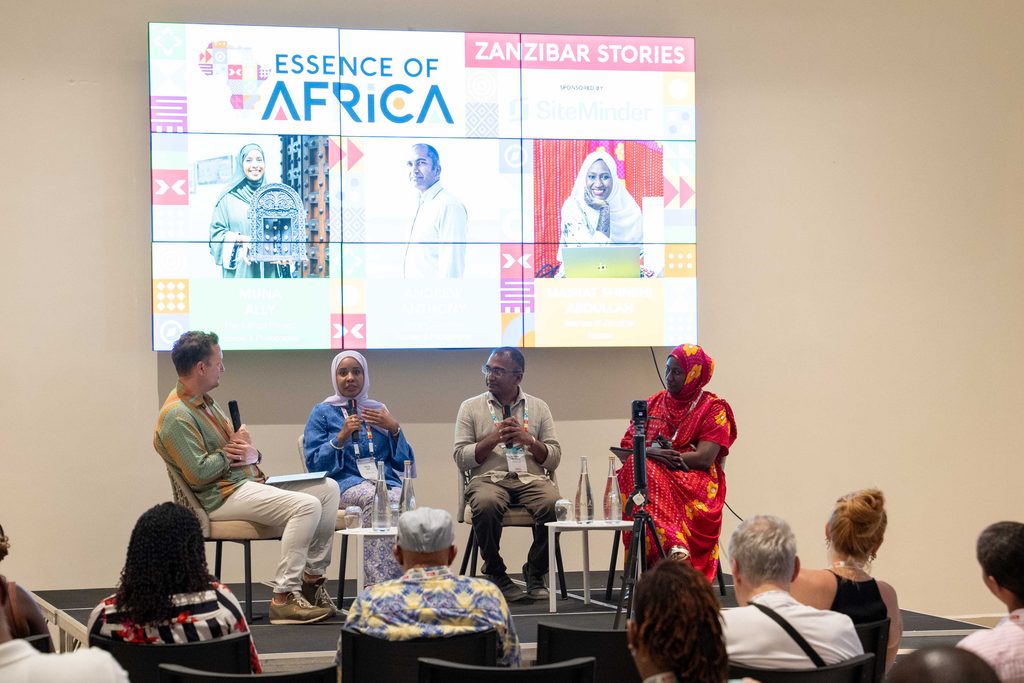
Founded by a single mother of three, Mamas of Zanzibar now welcomes more than 200 visitors a month to cook alongside local women, helping preserve the island’s culinary heritage while creating paid work.
Zanzibar has long sold itself as the Spice Island, with visitors touring farms to see cloves, cinnamon and cardamom growing. But what happens when those spices reach a Zanzibari kitchen? A group of 40 local women is inviting tourists into their world to find out, sharing recipes, family traditions and the pleasure of preparing a meal together.
Mamas of Zanzibar, founded by Maskat Shineni Abdullah, has grown from a small group of neighbours into a business welcoming more than 200 visitors a month. The experiences take place in a Zanzibari home in Ngalawa, Bububu, where guests spend time with the women who have grown up preparing the island’s traditional dishes.
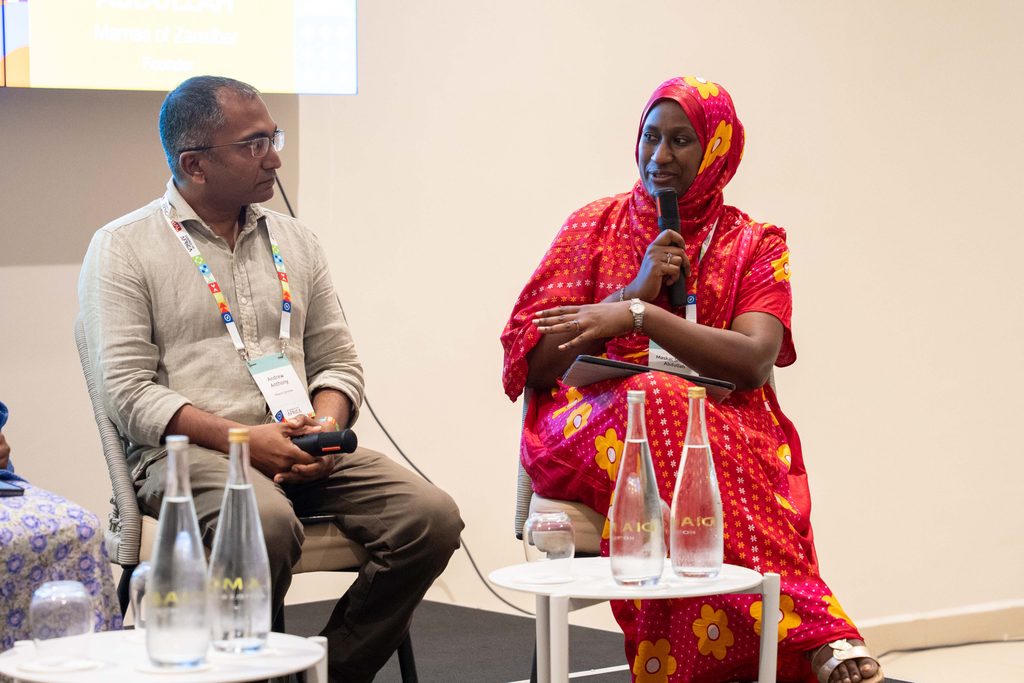
Abdullah shared her story during a SiteMinder-sponsored session at Essence of Africa 2026, moderated by Chris Mears, Co-founder of Essence of Africa. The discussion explored how local businesses can work with the tourism industry to create income while preserving Zanzibar’s traditions.
A business born from a difficult time
Mamas of Zanzibar began when Abdullah was rebuilding her life after a divorce. A single mother of three who had spent 15 years working in hospitality, she found herself without her previous career and began spending more time with women in her community. She recognised that the knowledge they carried in their kitchens could become something visitors would pay to experience. The women knew how to prepare dishes passed down through generations, how to use Zanzibar’s spices and how to observe the traditions surrounding food and hospitality.
“I realised that they have value that could really become a big asset inside the tourism world,” Abdullah told delegates. She began bringing the women together, developing an experience that would allow them to earn money from their skills while introducing visitors to Zanzibari culture.
A visit begins with guests dressing in traditional Zanzibari clothing. Women wrap themselves in colourful kangas, while men are given traditional garments and caps. The group then heads to the local market with the mamas before returning to the kitchen to prepare a Swahili meal. Guests work alongside the women, grinding spices, preparing ingredients and kneading chapati dough as they learn how dishes such as pilau are made. The experience takes around half a day, with time for conversation as everyone cooks together. Children are welcome too. During chapati-making sessions, younger guests sometimes turn their dough into funny faces.
Helping women recognise the value of their knowledge
Building the business required Abdullah to convince the women that their everyday cooking skills could interest international visitors. At first, some were uncertain why tourists would want to spend time doing something they had always done at home. Abdullah explained that their recipes and customs were part of Zanzibar’s cultural heritage, and that visitors were willing to pay to learn from them.
There was also the challenge of asking women to commit considerable time to preparing for and hosting experiences before they had seen the potential returns. As bookings increased, the women began earning an income and gaining confidence in their work.
Abdullah recalled the excitement when television crews, including international media, came to interview the mamas. Seeing their skills recognised helped them appreciate the interest visitors had in their knowledge.
Giving visitors a taste of everyday Zanzibar
Abdullah believes hotels and tour operators could do more to introduce visitors to the island’s culinary traditions. A guest who has toured a spice farm, for example, could follow that experience by learning how the ingredients are used in a traditional Zanzibari meal.
Mamas of Zanzibar has also developed a full-day Nyota Experience that combines its cooking programme with a guided Stone Town visit and the Slave Market Museum. Return transfers and lunch are included, giving agents a ready-made cultural itinerary.
Other insights for the tourism trade
- Advance booking is recommended. All experiences must be pre-booked, with the business recommending at least 14 days’ notice for guests requiring a specific date. The cooking experience begins at 09:00.
- Couples and families are an established audience. Abdullah said couples are among the most frequent visitors, while children can take part in activities such as chapati-making. The experience can also accommodate groups.
- The business offers several ways to include culinary tourism in itineraries. Alongside its signature cooking experience and full-day Nyota programme, Mamas of Zanzibar advertises coconut oil lessons and a Pemba culinary experience.
- Practical arrangements should be confirmed before arrival. Visitors are asked to dress modestly, and drivers and guides are not permitted in the cooking area. The business accepts Visa and Mastercard payments on-site.
- Tourism partnerships could support further expansion. Mamas of Zanzibar is seeking partners and investment for its proposed second location, which would extend the initiative to another community in northern Zanzibar.
Travel trade enquiries and bookings can be made through www.mamasofzanzibar.com