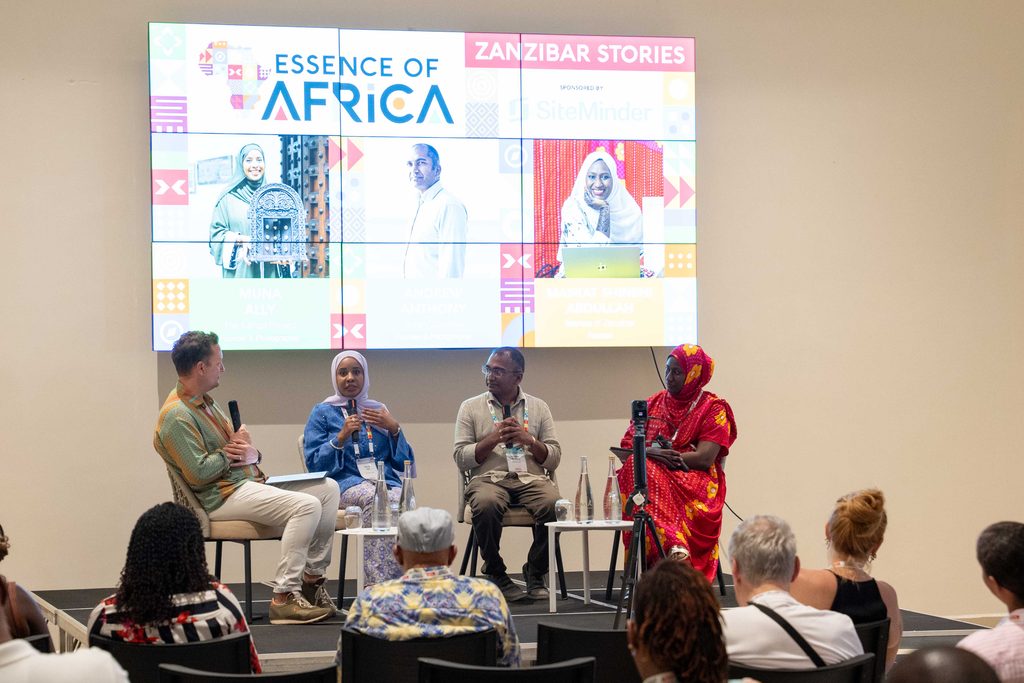
Zanzibar’s Kanga Project is helping artisans earn better prices, reach hotel buyers and protect themselves against cancelled orders, while encouraging the tourism trade to recognise the value of handmade products.
Hotels and tour operators have an opportunity to bring more local artisans into the tourism supply chain, but fair pricing and commercial protection are essential if craftspeople are to benefit from the business they generate.
This was the message from Muna Ally, photographer and founder of The Kanga Project, speaking at Essence of Africa 2026 in Zanzibar. She was part of a SiteMinder-sponsored panel discussion moderated by Chris Mears, Co-founder of Essence of Africa, which examined how local enterprises can work with the tourism industry to create income and preserve traditional skills.
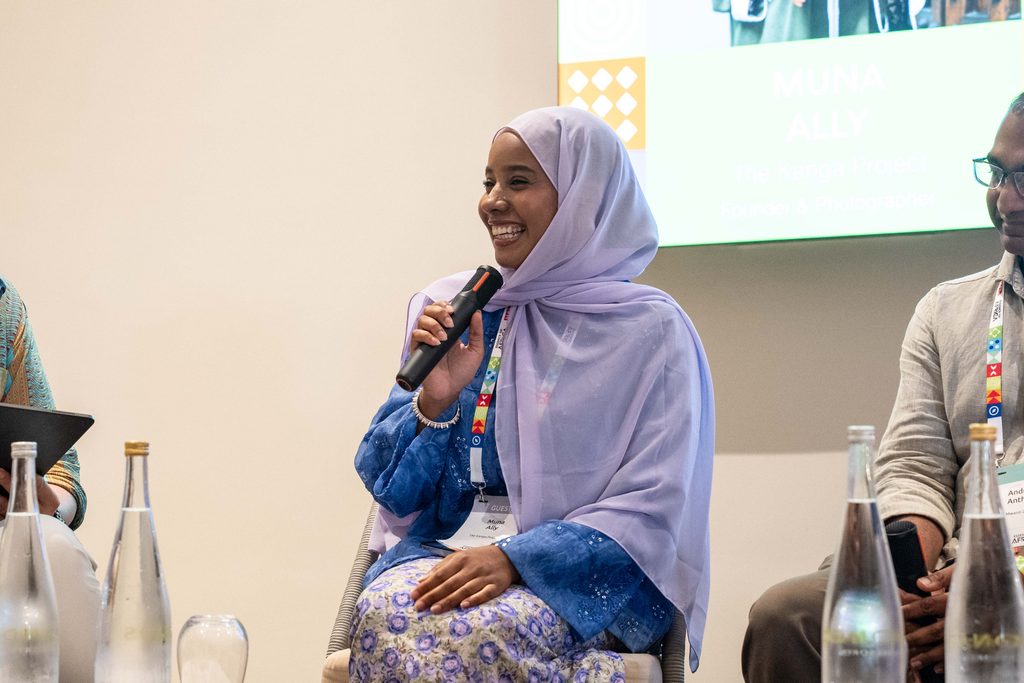
Ally’s project connects Zanzibari craftspeople with hotels, international visitors and buyers seeking handmade products.
The project began with the kanga, a colourful printed cloth worn by women across East Africa. Kangas often carry proverbs or poetic messages and are traditionally given as gifts to mark occasions such as marriage and childbirth. Ally initially visited villages to distribute kangas as gifts through her volunteer work, sometimes giving away 100 pairs in a single community. As she spent time with the women, she began hearing about the difficulties they faced in earning an income from their skills.
In Cheju village, women told her they were weaving bags but had no market for them. Meanwhile, rising rents in Stone Town were forcing traditional craftspeople out of the historic centre. The Kanga Project developed into a collective workshop in Stone Town where artisans can sell their products, meet customers and offer experiences to visitors.
Helping artisans earn what their work is worth
For Ally, an artist herself, one of the biggest challenges has been helping craftspeople recognise the commercial value of their skills. Many had continued charging the same prices for years, despite rising material costs and the considerable time involved in making their products.
Through The Kanga Project, artisans have increased their selling prices and improved their margins. Ally said some have achieved their highest sales in careers spanning 20 or 30 years.
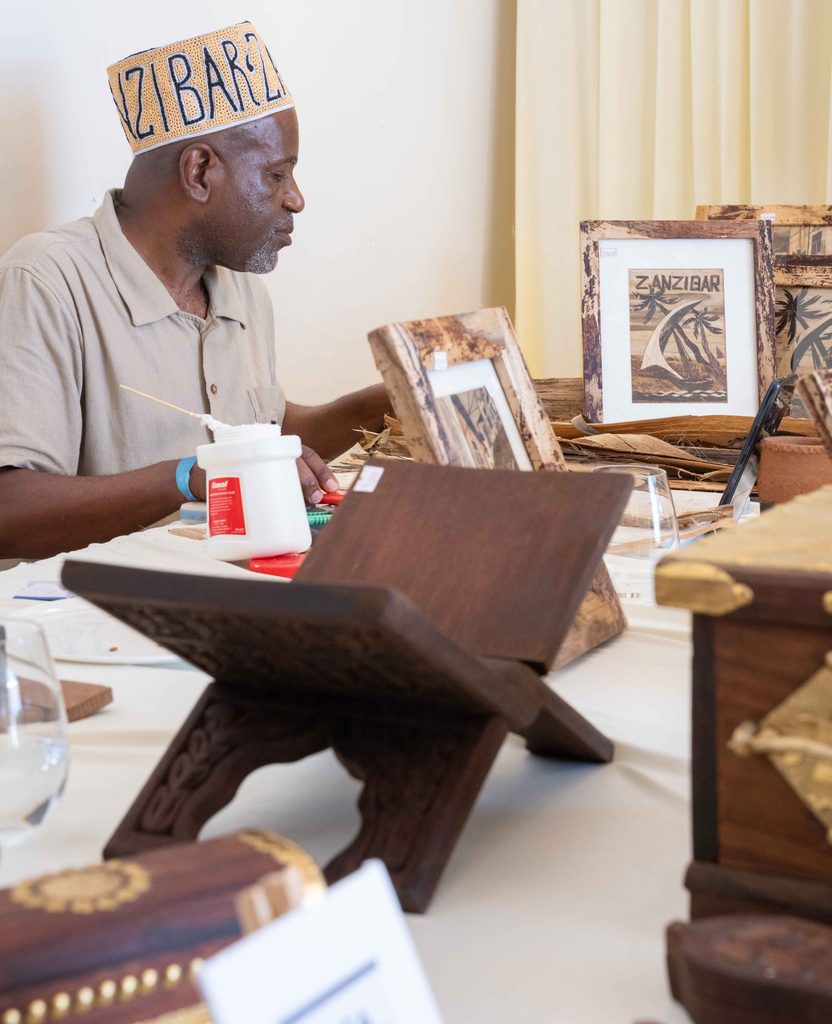
She recalled an artisan who makes artwork from banana leaves. His family had never understood why he spent so much time collecting leaves. When one of his pieces attracted attention on social media, visitors began arriving at the workshop asking to meet him. “Finally, my family gets it,” he told her. “They used to just think I collect leaves for no reason.”
Ally said recognition from customers has helped artisans take greater pride in their work and become more confident about what they charge. She questioned why handmade and bespoke products command premium prices in Western markets, yet visitors to African destinations often expect local artisans to sell their work cheaply. “We need to value the person that’s making them,” she said, pointing to the labour involved in producing handmade pieces.
Visitors can meet the makers
The Kanga Project offers workshops in Stone Town where visitors can meet artisans, see how their products are made and learn about the traditional skills involved. The experiences are led by the craftspeople themselves. Ally said this involvement is central to how the project works. “Partnering is the key word there. It is a partnership. We are doing this together.” She explained that the project listens to the artisans and adapts workshops according to their input, rather than deciding on their behalf what they should demonstrate or how they should work.
Visitors can book two-hour workshops as part of a Stone Town tour, while the project can arrange bespoke experiences at resorts for groups of more than ten people. The Kanga Project has developed a business-to-business guide with commissionable rates, allowing tour operators to incorporate workshops into itineraries.
Ally said the interaction with visitors can be rewarding for the artisans, particularly when guests recognise them from photographs or social media. She described how one artist’s work attracted considerable attention online, prompting visitors to arrive at the workshop specifically asking to meet him. For the artisans, this recognition has helped establish their reputation beyond their immediate communities.
Hotels can become valuable trade partners
The Kanga Project has established a partnership with Park Hyatt Zanzibar, which hosts a different artisan every Thursday, giving craftspeople access to hotel guests and opportunities to demonstrate and sell their work. The partnership has also provided some unexpected personal moments. Ally recalled how local woodcarvers who had made doors for the hotel were finally able to enter the property and see their work installed. Having lived in Stone Town for years, they had never previously seen where their craftsmanship had ended up. The Kanga Project also supplies bespoke gifts for hotel guests, including products commissioned for VIP visitors.
Ally said there is scope for hotels to source locally made products, particularly when they want gifts or decorative items that reflect the destination. The project can work with artisans to develop products to a hotel’s requirements, while managing the ordering process and ensuring craftspeople are paid fairly.
Protecting artisans from commercial risk
Another part of the project’s work involves helping artisans negotiate contracts, deposits and delivery arrangements. Ally said many craftspeople have previously accepted commissions without adequate commercial protection, leaving them exposed when buyers cancel orders. By managing commercial arrangements, the project helps artisans avoid losses that can be difficult for small businesses to absorb. Ally said hotels and other buyers benefit from having someone who understands the requirements of commercial orders while protecting the interests of the people producing them.
Ally spent around a decade volunteering in Zanzibar, including working as a photographer for a UK-based charity. Her experience of running The Kanga Project has changed how she approaches community development. She said earning income through craftsmanship allows artisans to support themselves, while revenue generated by the project enables it to continue operating and bring more craftspeople into the collective. Her ambition is to identify craftspeople across Zanzibar, including in communities that have limited access to tourism markets.
The Kanga Project can be contacted through Instagram at @thekangaproject. Its website is being redeveloped.