Mwani Zanzibar is turning an established coastal crop into premium skincare products, creating opportunities for women farmers while giving tourists an insight into an industry facing rising ocean temperatures.
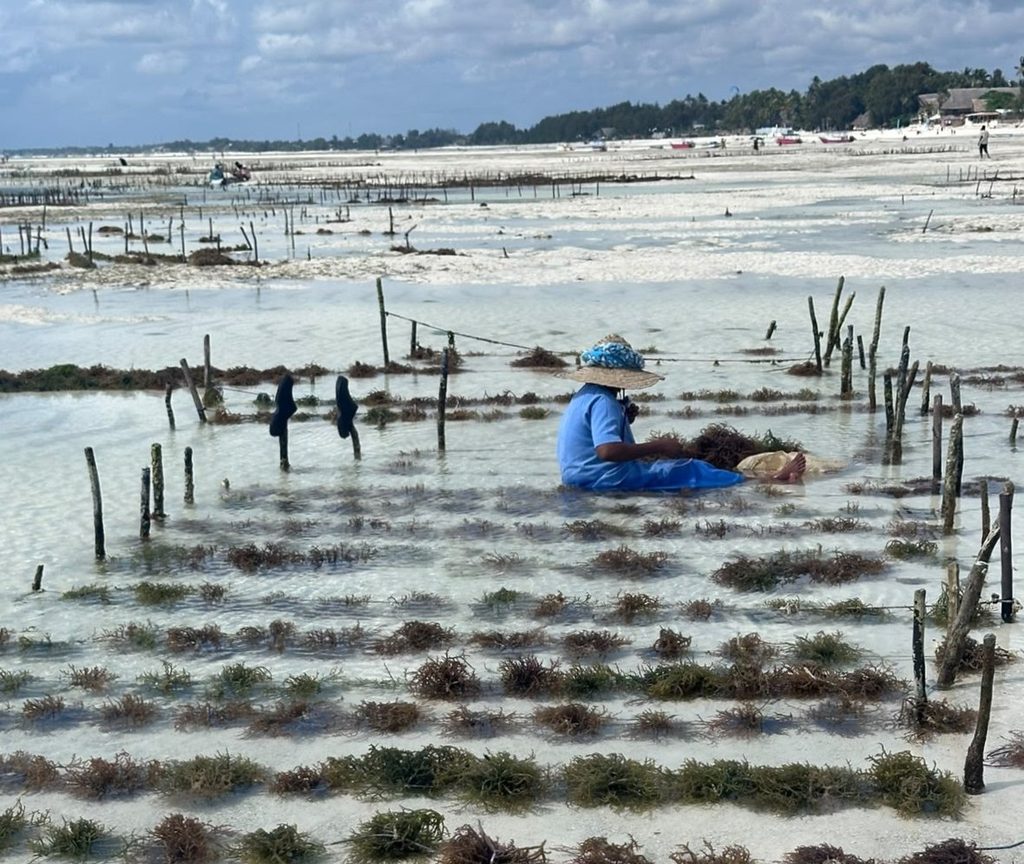
On Zanzibar’s east coast, women have long earned a living farming seaweed in the shallow waters exposed by the changing tides. Most of the crop is exported for processing overseas, leaving relatively little of its value with the women who grow it.
Mwani Zanzibar is working to keep more of that value on the island by turning seaweed into premium skincare products, training local women in production and introducing tourists to the people behind the business.
Co-founder Andrew Anthony shared the company’s experience during a SiteMinder-sponsored session at Essence of Africa 2026, moderated by Chris Mears, Co-founder of Essence of Africa. The discussion examined how local businesses can work with the tourism industry to create income for communities.

According to Anthony, women account for an estimated 85-90% of Zanzibar’s seaweed farmers. Many have limited formal education and few opportunities to progress beyond harvesting and selling the crop. Mwani’s approach has been to create work further along the production chain, training women to manufacture skincare products while purchasing ingredients from local suppliers. The results, Anthony said, can be seen in the lives of the women involved. “We’ve got women who have put their kids through university, which is huge for them coming from the villages here,” he said. Others have built their own homes.
Training women in production takes time. Anthony said it can take almost four years for someone to become fully independent in the work. The company also pays local suppliers higher prices for ingredients such as honey and beeswax, extending the benefits to businesses outside seaweed farming.
A warming ocean threatens an established livelihood
The women farming Zanzibar’s coastline are already experiencing the effects of rising sea temperatures. Anthony said warmer conditions are causing disease and damage to crops, with some farmers losing entire harvests. Along the island’s east coast, the problem is particularly acute where seaweed is exposed as the tide retreats. Mwani has been working with farmers to adapt their growing methods, including identifying natural pools where seaweed can remain submerged at low tide.
The company is also encouraging farmers to replace seedlings more frequently rather than repeatedly cutting and regrowing the same plants. Anthony said the methods have been successful. Mwani is also working with indigenous seaweed varieties found around Zanzibar as it develops its skincare range.
Tourists can follow the journey from farm to finished product
Visitors to Mwani can go out to the seaweed farms, see how the crop is grown and harvested, and then visit the production facility where the women turn local ingredients into skincare products. The visits are scheduled around the tides, while what guests see in the production facility depends on the products being made that day. For hotels and tour operators, the experience offers a way to introduce visitors to an industry that is part of everyday life along Zanzibar’s coast.
Anthony said tourism partnerships also help the company reach customers for its finished products. Mwani works with local hotels and operators to sell its skincare range and introduce guests to the people involved in making it. Mwani employs and trains women while purchasing ingredients from other local producers, including suppliers of coconut oil, honey and beeswax. Anthony said the company pays higher prices for these ingredients as part of its approach to fair trade.
For visitors, seeing the farming and manufacturing processes helps explain what goes into the products they buy. For the women, it brings potential customers directly to the business and gives them an opportunity to show their work.
Other insights for the tourism trade
- Visits follow the tides. Tour operators need to confirm the schedule before including a farm visit in an itinerary. Activities at the production facility also vary according to orders and the products being manufactured.
- Hotel purchasing can support local suppliers. Mwani’s skincare range uses ingredients sourced in Zanzibar, creating opportunities for hotels to buy locally produced goods while supporting farmers and other ingredient suppliers.
- Community experiences need careful positioning. Anthony wants visitors to recognise the women as skilled farmers and producers. Trade partners should reflect that approach in their marketing rather than portraying the experience as a charitable activity.
Mwani Zanzibar’s products and visitor experiences can be found at mwanizanzibar.com