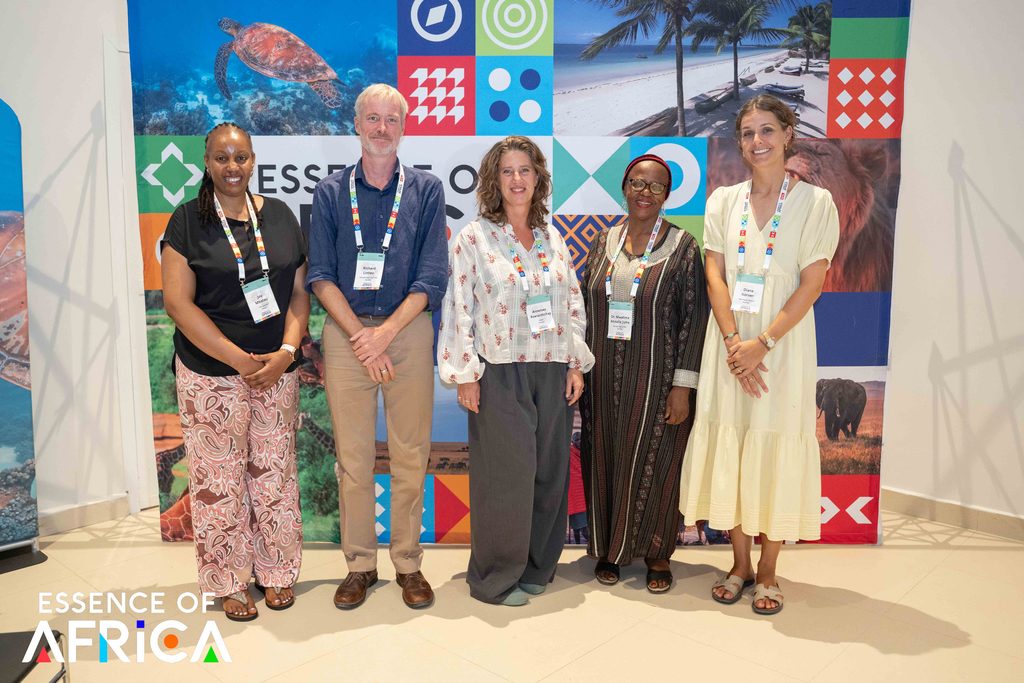
At Essence of Africa 2026, Zanzibar social enterprise CHAKO showed how hotels can turn waste into locally made products while creating work for the island’s artisans.
What if the empty bottles collected from a hotel could return as drinking glasses for its restaurant or lamps for its guest rooms, made by local artisans?
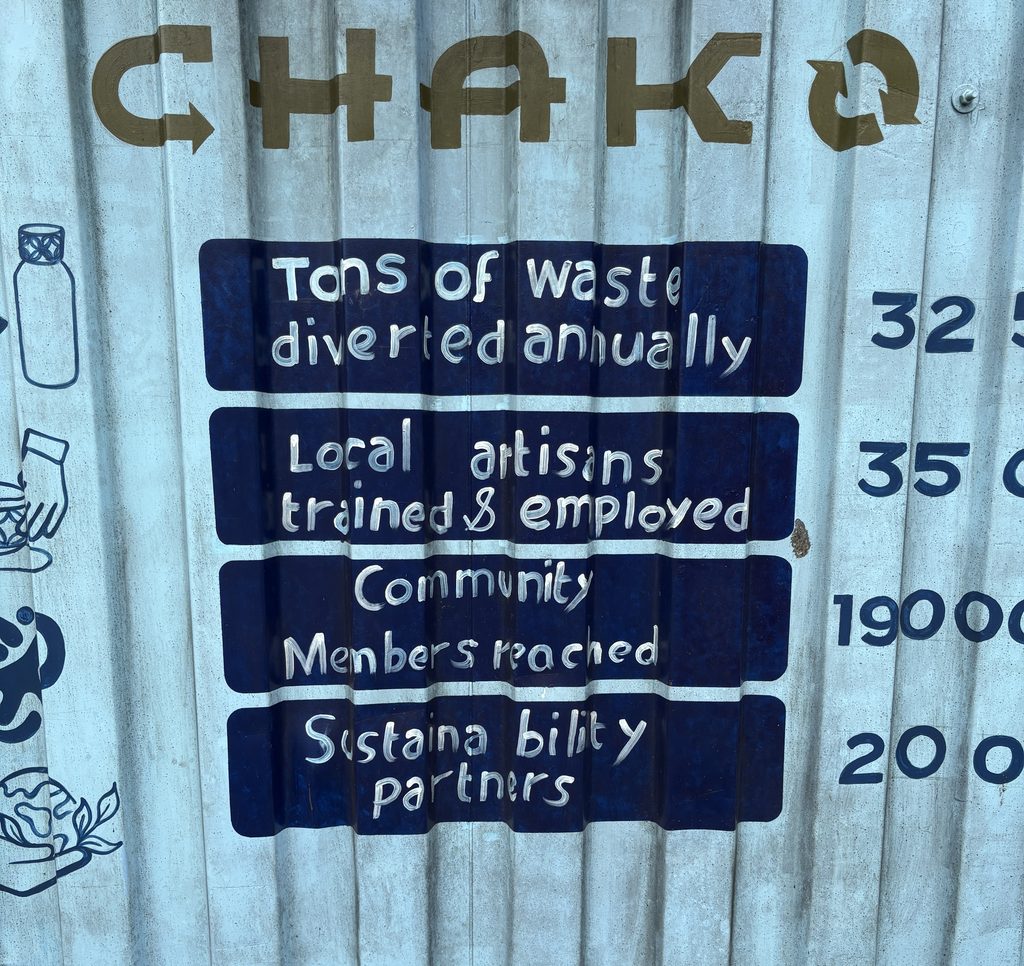
That’s the business model behind CHAKO Zanzibar, a social enterprise that has collected more than five million discarded bottles since it began operating on the island. Speaking at Essence of Africa 2026, CHAKO co-founder and CEO Anneloes Roelandschap explained how the company works with hotels to collect waste and turn it into products that the hospitality industry can use again.
“Why should we import glasses from China or Europe when we have the waste and the materials, and people can make it within Zanzibar?” she asked.
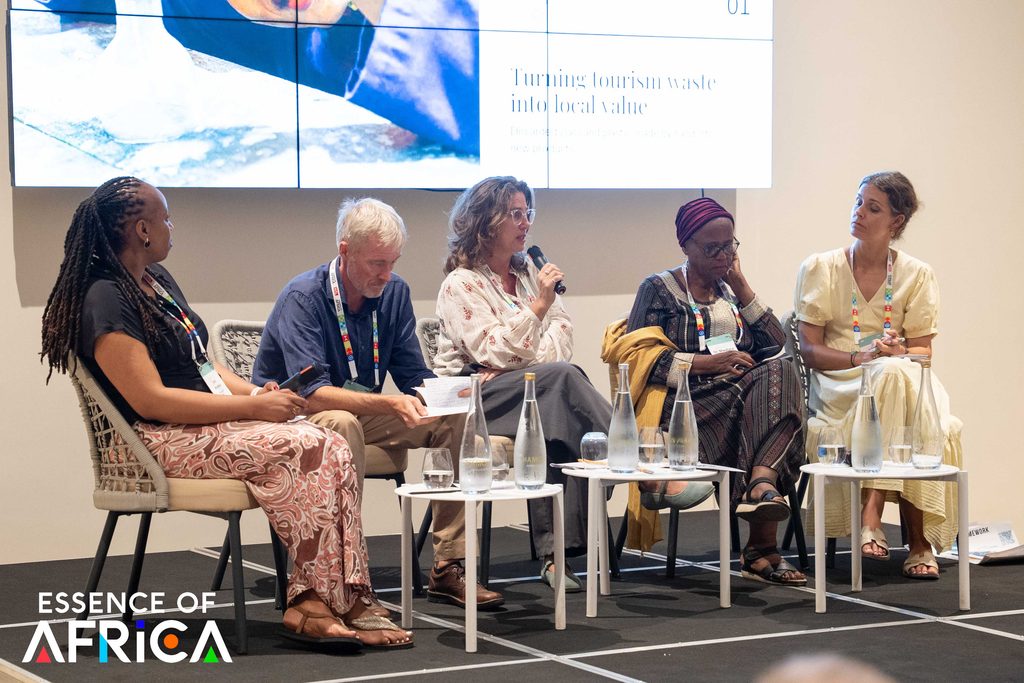
Anneloes was speaking during Beyond the Baseline: Zanzibar’s Positive Impact Pioneers, moderated by Joy Mbatau, Regional Hub Manager for East Africa at The Long Run, and sponsored by ResRequest.
Giving hotel waste another life
CHAKO’s story began with its founders’ experience in Zanzibar’s tourism industry. Having operated a hotel themselves, they saw the opportunities tourism created alongside the growing amount of waste it generated. They also saw that many island residents were missing out on the economic benefits of tourism.
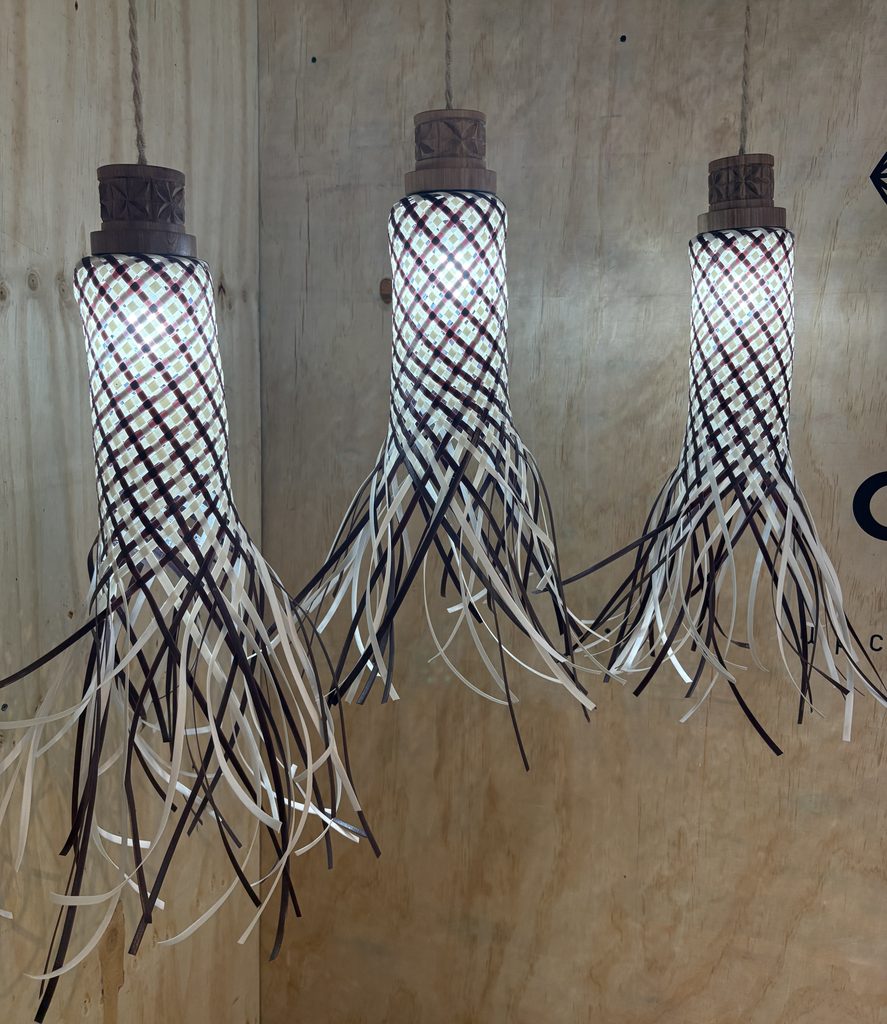
CHAKO began in 2010, bringing those concerns together in a business that collects discarded materials and employs local artisans to turn them into products. Used bottles become drinking glasses, jars and decorative items. The company also makes lamps and other interior products that hotels can use in their rooms and public areas. For Anneloes, the aim is to keep more of the money generated by tourism circulating within Zanzibar.
Hotels already need glassware and furnishings. Purchasing locally made products gives them an opportunity to support employment on the island while reducing the need to import those items. CHAKO also works with plastic waste, although Anneloes would prefer to see hotels reduce their plastic consumption before it becomes waste. “We don’t really like to upcycle plastics because we think plastics should not be there at all,” she said. “But since it’s there, we have to do something with it.”
The company ensures that the materials it collects from hospitality partners are either turned into new products or sent to a recycling operator on the Tanzanian mainland.
A partnership hotels can measure
Anneloes said one of CHAKO’s challenges is persuading more hotels and resorts to participate. The company offers a collection service for hospitality businesses and provides reports showing how much glass and plastic has been recovered. These records can help hotels account for waste management activities when reporting on their environmental performance.
During the panel discussion, Anneloes asked hoteliers to share what information they need for their own sustainability assessments and certification processes. CHAKO already produces impact reports, but closer cooperation would allow it to provide the data in formats that are useful to its hotel partners. The company’s work also creates opportunities for local artisans, particularly women, to develop practical skills and earn an income. CHAKO has been a guaranteed member of the World Fair Trade Organization since 2018, becoming Zanzibar’s first business to achieve that recognition.
One hotel already working with CHAKO is Zuri Zanzibar, which has used the company’s upcycled products in guest rooms and public areas, including lighting made from discarded glass bottles. For hotels considering similar partnerships, CHAKO can supply customised products as well as collect waste.
Visitors can meet the people making the products
CHAKO also offers workshop experiences that tour operators can include in Zanzibar itineraries. At its workshop near the Kidichi spice farms, visitors can meet the artisans and watch discarded bottles being cut and transformed into products. Hands-on experiences allow guests to try some of the techniques themselves. Anneloes said these visits help people understand the island’s waste challenges while meeting the people working on solutions. Guests can see how the company operates, learn about the materials being collected and buy products made at the workshop.
The tours also support environmental education. According to CHAKO, proceeds from paid visits help provide free awareness tours for local schools and community groups. For travel buyers looking to introduce visitors to local enterprises, the workshop can be included alongside other experiences in the Kidichi area. CHAKO also has shops in Stone Town.
Anneloes encouraged tourism businesses to think about where the money they spend goes and who benefits when they select a supplier. “I think it’s important that maybe you spend less money on buying products from outside,” she said, explaining that purchasing locally creates opportunities for people working on the island. For hotels, that could begin with something as familiar as the glasses on a breakfast table.
For more information about CHAKO’s hotel collection partnerships, locally made products and visitor experiences, visit www.chakozanzibar.com