
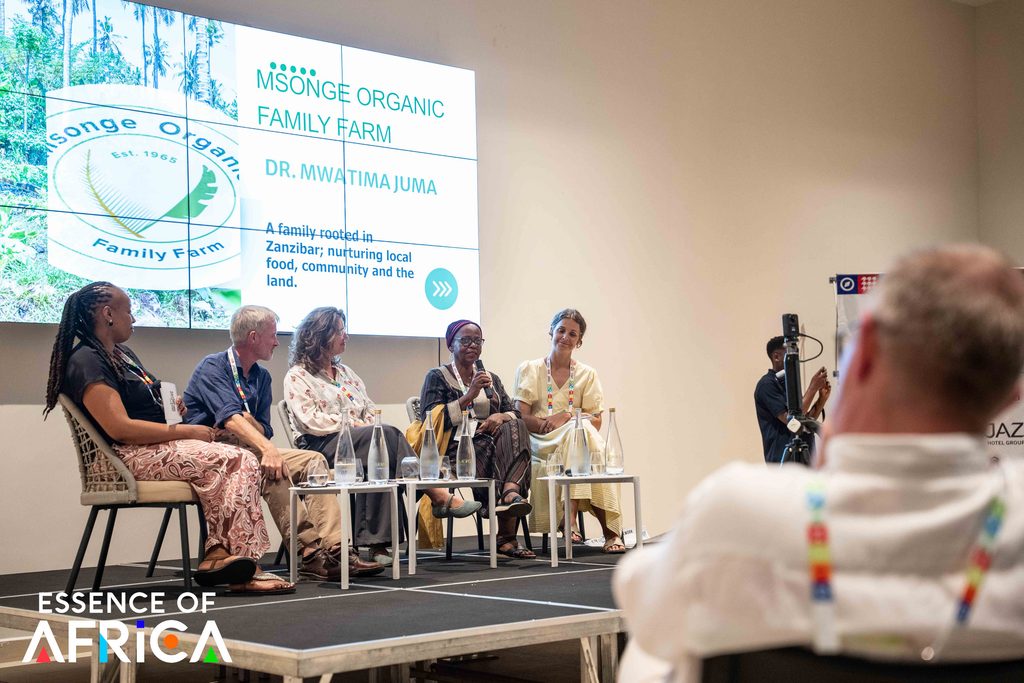
At Essence of Africa 2026, Msonge Organic Family Farm founder Dr Mwatima Abdalla Juma called for closer partnerships between hotels and local farmers, with practical suggestions for making local procurement work.
A hotel in Zanzibar might need a tonne of tomatoes. The farmer down the road may have only a few kilograms to sell. It’s an opportunity for both, but getting that produce from small farms into hotel kitchens requires some cooperation.
Dr Mwatima Abdalla Juma of Msonge Organic Family Farm believes hotels could help organise local supply chains by supporting collection centres where farmers combine their harvests to fulfil larger orders. Investment in water supplies could also help farmers grow more consistently, particularly when rainfall is unreliable.
Speaking at Essence of Africa 2026 during Beyond the Baseline: Zanzibar’s Positive Impact Pioneers, moderated by Joy Mbatau of The Long Run and sponsored by ResRequest, Juma drew on decades of experience supplying hotels and developing her family’s organic farm.
“If we have a collection centre and an organised way of knowing that they will buy your product, then that will make it easy,” she said.
She encouraged hotels to consider how their community investment programmes could help local farmers overcome barriers to production. Access to irrigation, for example, could enable farming communities to supply ingredients that hotels might otherwise need to import.
Payment practices are another consideration. Juma recalled supplying hotels and waiting months for invoices to be settled. Small farmers must cover their production costs long before their crops reach a hotel kitchen, making delayed payments particularly difficult.
An audience member picked up on her comments, pointing out that hotels sometimes expect suppliers to meet sustainability standards while asking them to accept 30- or 60-day payment terms. The delegate encouraged buyers to consider earlier payments, including advance payments for contracted produce.
Building a local food supply
Msonge Organic Family Farm covers 15 hectares and dates back to 1957, when Juma’s father, Abdallah Juma, and his brothers bought the land. Originally planted with coconut and citrus trees, it has developed into a commercial organic farm.
“When you ask me when Msonge started, it started the year I was born,” Juma told delegates.
In the 1990s, German buyers began asking for organic produce. Juma was puzzled. Farmers had spent years being encouraged to adopt chemical inputs, yet her family’s traditional methods were already what the buyers wanted. “We had been organic all this time, but we did not know that we were organic,” she said.
Msonge went on to supply several large hotels. When COVID-19 closed the hotels, the farm established Pakacha, a household produce delivery service that continues today, with deliveries on Mondays and Wednesdays.
Working directly with customers gave Juma an opportunity to encourage seasonal eating, something she believes hotel kitchens could also embrace.
“People want avocado every day,” she said. “No, avocado also has a season. So we need to wait for that season.”
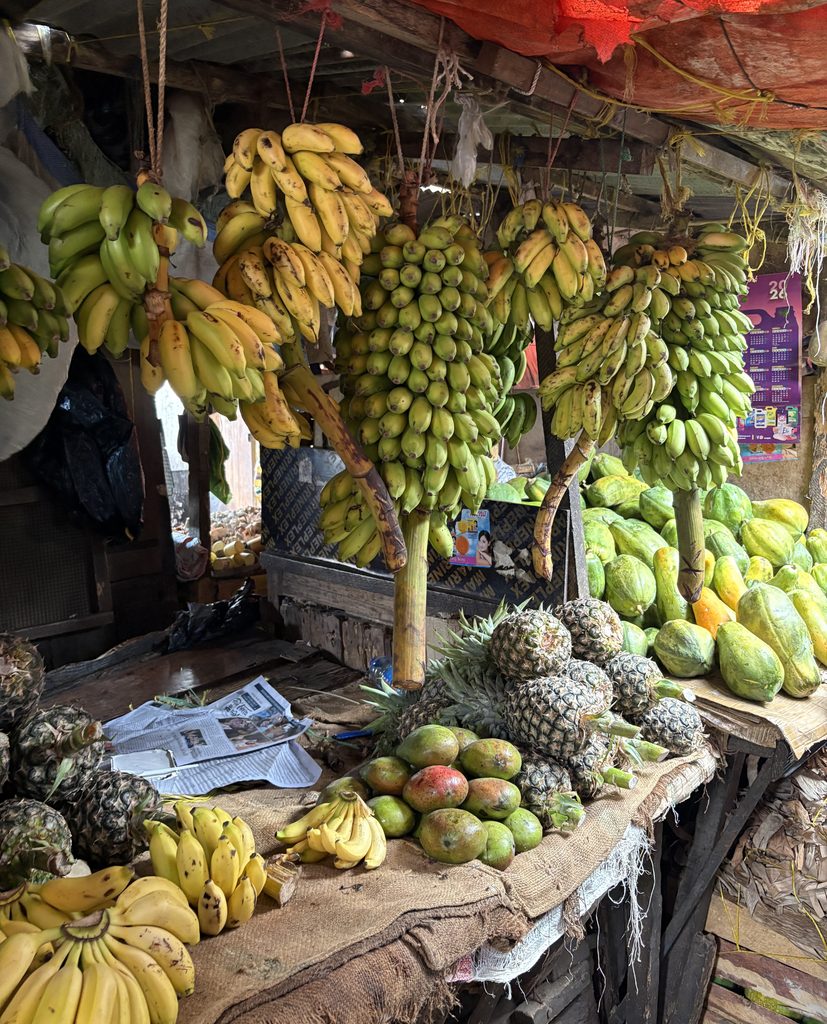
Planning menus around locally available ingredients could help hotels buy more from Zanzibar’s farmers. It would also give chefs an opportunity to introduce guests to the island’s produce rather than relying on imported ingredients throughout the year.
Juma questioned the assumption that organic produce must always command a substantial premium. She prefers pricing based on production costs, an approach that could help hotels and farmers negotiate sustainable supply arrangements.
Taking guests beyond the hotel kitchen
Msonge has also developed experiences that hotels and tour operators can introduce to their guests.
The idea began when a friend helping with the farm’s branding remarked that they weren’t doing justice to the food being served. Juma started a monthly pop-up lunch, which became twice monthly and eventually a regular Sunday event featuring traditional Swahili dishes.
Sunday lunch starts at 1pm and costs US$20 per person. Guests book ahead because food is prepared for the number attending.
Juma recalled a guest who hadn’t eaten mapopa, a fermented cassava dish, since his grandmother died. Some traditional foods are becoming unfamiliar even to younger Zanzibaris.
Visitors can also join cooking classes and guided farm tours. Juma wants guests to understand why ginger grows in the shade and how mature trees support other crops within the farm’s permaculture system.
Farm tours with lunch are available by booking on Tuesdays, Wednesdays, Fridays and Saturdays at US$30 per person. Traditional Swahili cooking classes also cost US$30.
These experiences give hotels another local activity to recommend, particularly for guests interested in Zanzibar’s food culture and how ingredients are grown.
Helping more farmers supply tourism
In November 2015, Msonge established the Practical Permaculture Training Institute, which demonstrates sustainable growing methods.
Juma said changing agricultural practices takes time after decades of farmers being encouraged to use chemical fertilisers and pesticides. The institute allows producers to see alternatives operating commercially and learn how growing different crops can provide food for their households alongside income.
She would like other farms to develop visitor experiences, opening additional opportunities for local producers to benefit from tourism.
Juma also encouraged consumers to ask more questions about the food they purchase. “Has this been sprayed? What did you use on this? Where has it been stored?” She believes informed buyers can encourage farmers to adopt different practices.
For hotel procurement teams, that same interest in how food is produced could help build closer relationships with suppliers. Knowing what farmers can grow, when produce will be available and what support they need would make local sourcing easier to plan.
Juma also stressed that farms must continue feeding their own communities. Growing for tourism should provide an additional market without leaving local households dependent on a single buyer or crop.
Her proposal to hotels was practical: work with farmers to organise supply, help them access the resources needed to grow consistently and develop purchasing arrangements that allow their businesses to survive.
For more information about Msonge Organic Family Farm, including farm tours, cooking classes and Sunday lunches, visit www.msonge.co.tz
